
RESEARCH: |
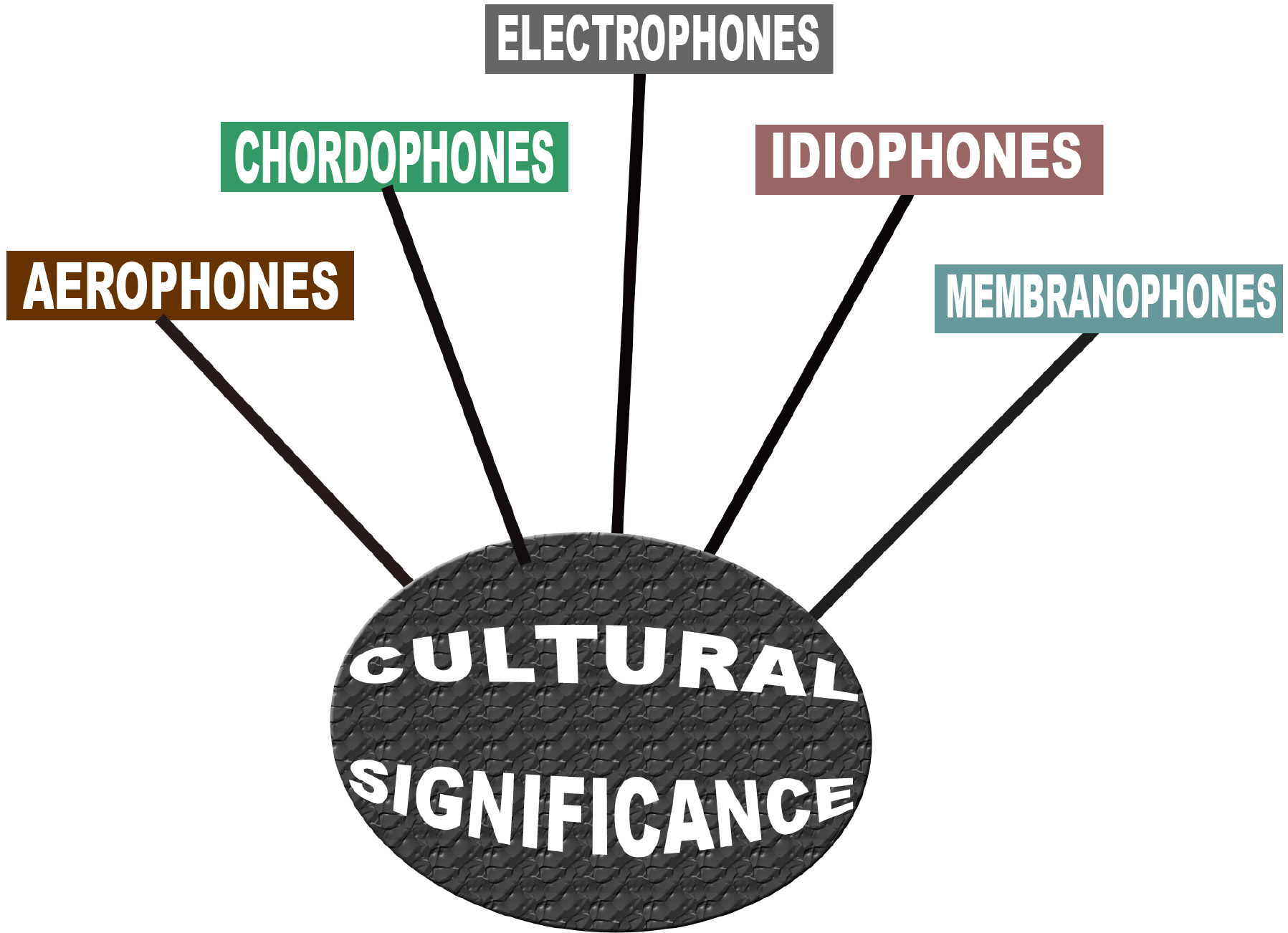
| ORGANOLOGY (IN EAST AFRICA) For research purposes, to the most widely used Hornobosel-Sachs classification of four categories that include aerophones, chordophones, idiophones, and membranophones, I have also added a more recent instrument grouping referred to as 'electrophones'. Instruments grouped under 'electrophones' have in the last 20 years become so much day-to-day tools all over the world that that we can no longer overlook them when we study the significance of folk instruments in society. In my research study with a special focus on the cultural significance of East African musical instruments, therefore, I work with a five grouping classification that includes: aerophones, chordophones, electrophones, idiophones, and membranophones.
'Cultural significance' which is the theme of my research,
gives me a much deeper insight into various aspects of the culture
of the people to whom the folk instruments I study belong. In my
field research I document the extent to which such elements as melody,
rhythm, language, ornamentation, construction materials, to mention
but a few, directly and symbolically reflecte the culture of the
people who own the instruments. I continue to be fascinated by the
constant discovery that when examined closely and carefully, those
elements help to interpret the culture of the people that own and
use the instruments being studied. I have therefore become more
and more convinced that as Ruth Stone, Margaret Kartomi and Kevin
Dawe have discovered in their study findings, even through their
shape, decoration and iconography, the sound producing devices called
musical instruments reveal not just an often unarticulated set of
cultural values, aesthetics and myths but are also symbolic of the
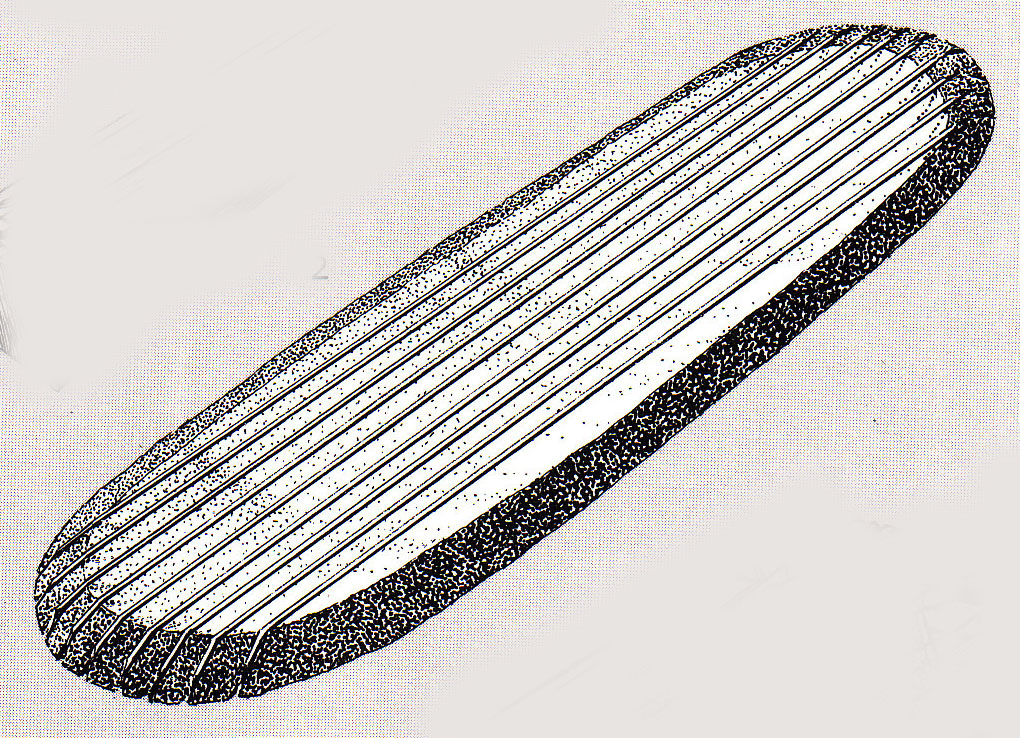
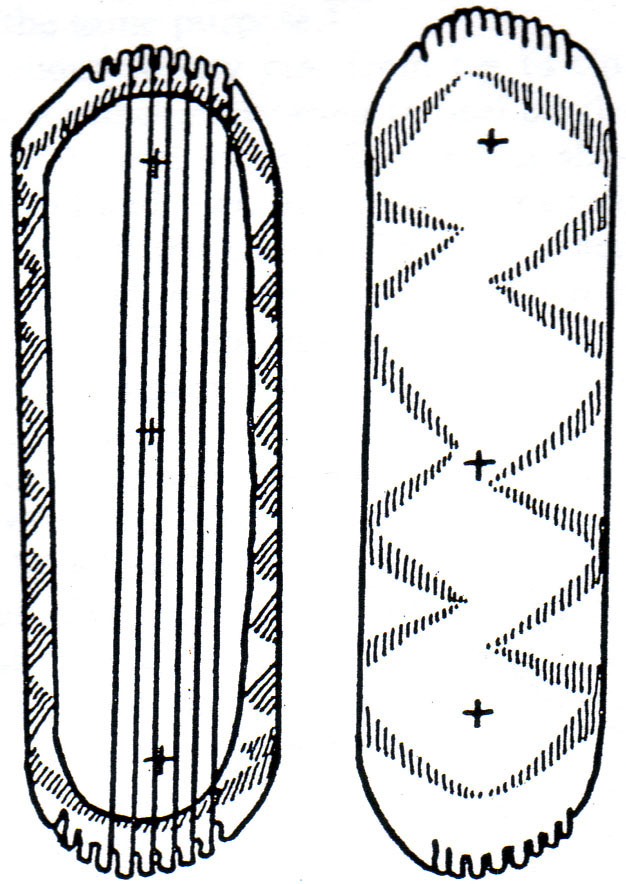
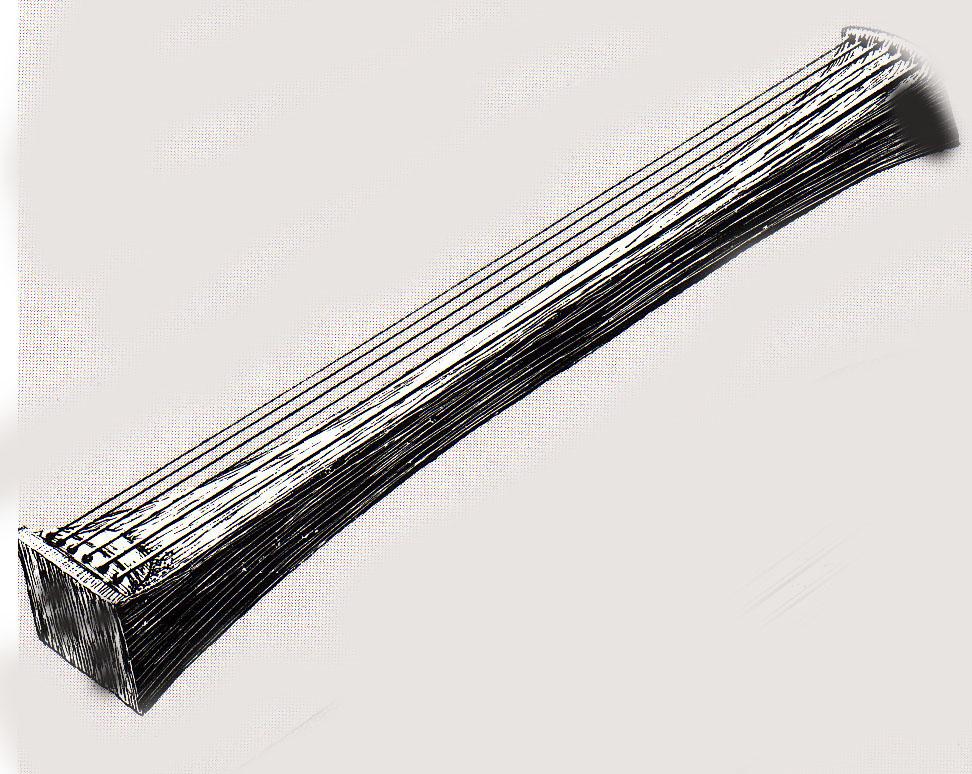
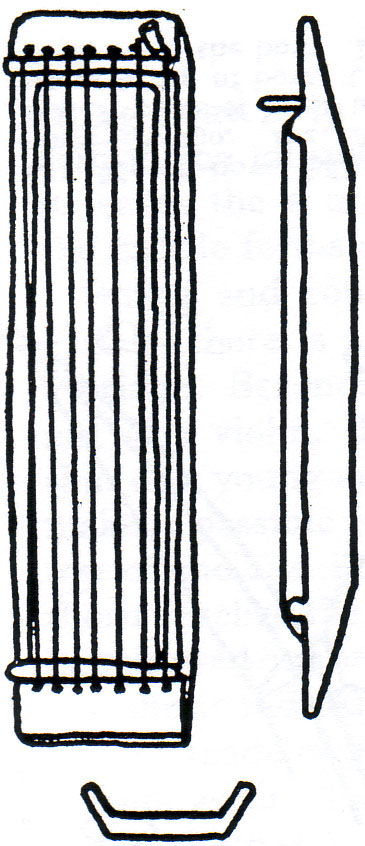
community they originate from and/or serve. 2017 2016 2015 2014 Summer 2013 -- July 8 –August 8. I received the 2nd New Development Initiative (NDI) Grant from the Great Lakes College Association, then traveled to East Africa and conducted Phase II of an Ethnographic Fieldwork on “Advanced Building of Folk Instruments with a Focus on Aerophones.” For this research, the two Ugandan aerophones I worked on include: the agwara (wooden trumpets) of the Alur people in northwestern Uganda and amakondere (gourd trumpets) of the Banyoro people in western Uganda. Summer 2012 -- Phase I of the "Advanced Building of Three East African Chordophones" including: adungu (9-string bow harps of the Alur), endingidi (1-string tube fiddles) of the Baganda, and endongo (8-string bowl lyres) of the Baganda. At this field research project, working with Stephen Okumu for the adungu (bow harps),Spring 2009 -- Budongo (lamellaphone {thumb pianos}) of the Basoga in Iganga, Busoga, Uganda, East Africa. Summer 2006 -- Sebei Culture in Kapchorwa, Uganda and Masai Culture of Narok, Kenya. Examined the “Role of Music during the Female Circumcision Rituals.” Sponsored in part by Faculty Development Funding . Summer 2004 -- With a faculty development funding, I went to collect data for my on-going book project on the lyres of East Africa. The 3 week research project on the “Entongooli (bowl lyre) of the Basoga of Eastern Uganda.” Summer 2003 -- With a Grant from the Great Lakes Colleges Association, went to Kenya and studied the “Obokano (bowl lyre) of the Gusii of Western Kenya.” Summer 2002 -- Faculty/Student Research project in East Africa. Traveled with a Wabash student and carried out a Faculty-Student study on “The Building of Ugandan African Traditional Drums.” Summer 2001 -- Spent two weeks in West Nile, Uganda. Examined the “The Construction, Tuning, and Playing Techniques of the four Adungu (bow harp) Types of the Alur people including the apila {melody}, oryemo {rhythm}, seketa {junior bass}, and min {bass}.” November 1999 -- Traveled to the Horniman Museum, London and the Pitt Rivers Museum, Oxford in the United Kingdom. Examined the “Use of Symbolism and Iconography as depicted by Ornamentation on Folk musical instruments.” January & Summer 1998 -- Traveled to Buganda in South Central Uganda. Studied “The Construction of the Endongo (bowl lyre).” January & Summer 1997 -- Traveled to Buganda in South Central Uganda. Studied the "Adaptation of the Endingidi (tube fiddle) by the Baganda.” Summer 1997 -- Traveled to Nebbi in Northwest Uganda. Studied “The Transformation of the Adungu (bow harp) among the Alur.” Summer 1995 -- Traveled to Uganda and directed a Graduate Research Expedition for six University of California graduate students on "Endingidi (tube fiddle) Village Music.” Summer 1994 -- Traveled to Uganda and directed a Graduate Research Expedition for seven University of California graduate students on "Endongo (bowl lyre) Village Music.” 1993 -- Ph.D. dissertation Fieldwork Study in Uganda on the "Endongo (bowl lyre) of the Baganda of Uganda." ON-GOING PROJECTS December 2009. - to-date. Traveled to Uganda and started doing field research on the likembe (thumb piano or lamellaphone) of the K'ebu people of Northern Uganda. My primary people of contact I am working and collaborating with on this study include two music teachers by the names of Centurio Balikoowa and Pasteur Edringi. Jan. 2006 to-date – I am involved in a research project tracing (a) the evolutionary development and (b) the examination of the musical as well as cultural significance of the two most commonly used zithers in Uganda. These folk instruments are currently found in use by cultures that are not only located hundreds of miles apart, but also display cultural life styles that have very very little in common. The instrument I am working on include:
and
GLOSSARY adungu – a 9-string bow harp (arched
shape) of the Alur people of Uganda. |
.jpg)
Home | Presentations | Research | Publications | Courses